Insurance Basics
Workplace Life Insurance vs Personal Life Insurance: What Should You Review?
Workplace and personally owned life insurance can play different roles. Review amount, portability, ownership, duration and policy features before changes.
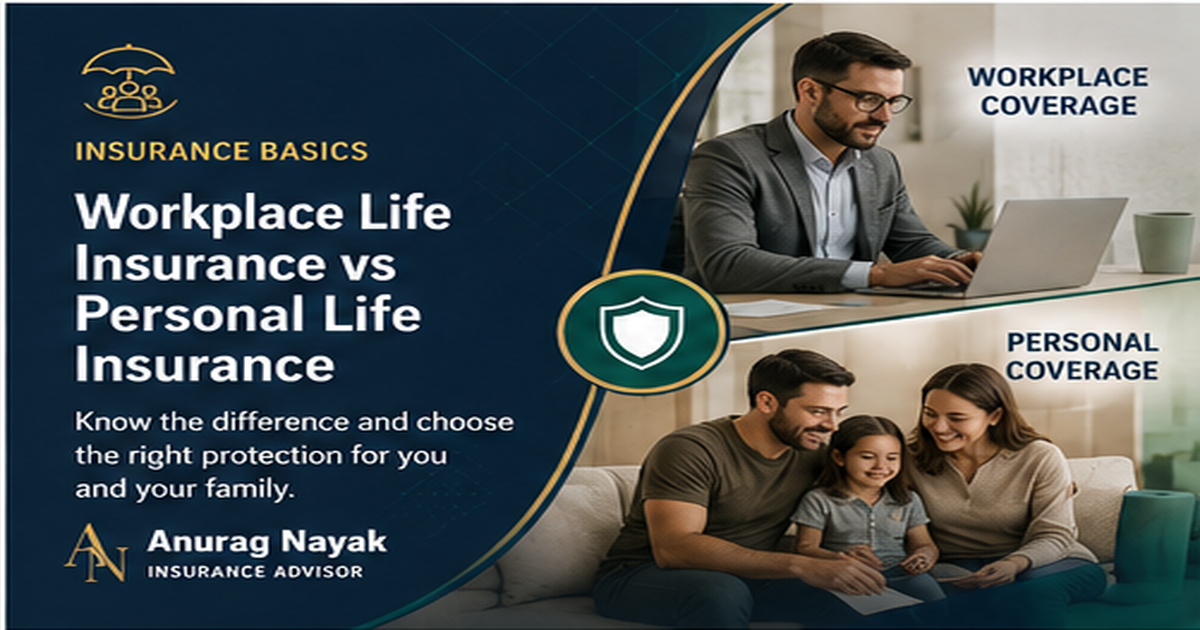
Workplace life insurance can be a useful part of an employee benefits package. Personally owned life insurance can serve a different role. The objective is not to declare one universally better than the other.
A better question is: what does each arrangement provide, and how well does the combination reflect the financial responsibilities you want to address?
Start with the coverage you already have
Open your workplace benefit booklet or online benefits portal and identify:
- the amount of basic life insurance
- whether the amount is fixed or linked to salary
- optional coverage you elected yourself
- coverage for a spouse or dependant, if any
- the beneficiary currently on file
- what happens when employment or group membership ends
Then compare those details with any personally owned policy.
Ownership and employment are different
Workplace coverage is connected to an employer or group plan. Personally owned insurance is a contract you own directly, subject to its policy terms and premiums.
That difference matters because careers change. A promotion, new employer, contract role, self-employment or early retirement can change the workplace arrangement even when the underlying family responsibility remains.
The Financial Consumer Agency of Canada advises consumers to review what an insurance policy covers, what it does not cover, and the circumstances under which benefits may be payable. That same principle is useful when comparing workplace and personal coverage.
Compare the amount to the responsibility
A multiple of salary can sound substantial without answering what the money is intended to support.
Questions may include:
- How much income would the household need to replace, and for how long?
- What debts or mortgage responsibilities would remain?
- Are there education or dependant-care goals?
- Are there business obligations or guarantees?
- How long is the need expected to continue?
The answer is individual. Some people may find workplace coverage is sufficient for the responsibility they want to address. Others may use workplace and personal insurance together.
Portability deserves attention
Group coverage often depends on continued eligibility for the plan. Some plans may offer conversion or continuation options when employment ends, subject to specific conditions and deadlines.
Personally owned coverage generally does not depend on staying with the same employer, provided the policy remains in force.
That does not mean personal insurance is automatically the right answer. It means portability is one of the features worth comparing.
Price is only one part of the comparison
Premium matters, but so do:
- coverage amount
- duration
- renewal terms
- conversion features
- underwriting
- ownership
- beneficiary flexibility
- exclusions and other policy provisions
Comparing only the current payroll deduction with a personal premium can miss important differences.
Avoid cancelling first and applying later
If you are considering replacing existing personal coverage, keep the current policy in force until any new coverage has been approved, accepted, paid for and confirmed in force. New insurance can involve underwriting and may not be available on the same terms.
A useful review can end with “no change”
A review is not successful only when a new policy is purchased. Understanding the workplace coverage and confirming that it appropriately supports your responsibilities can be a useful outcome on its own.
Sources and further reading
- Financial Consumer Agency of Canada: Life insurance
- Financial Consumer Agency of Canada: Getting an insurance policy
- Financial Consumer Agency of Canada: How insurance works
This article is for general educational purposes only. Insurance coverage, underwriting and group-plan provisions vary by policy and insurer.